Pitch Raises & Climate
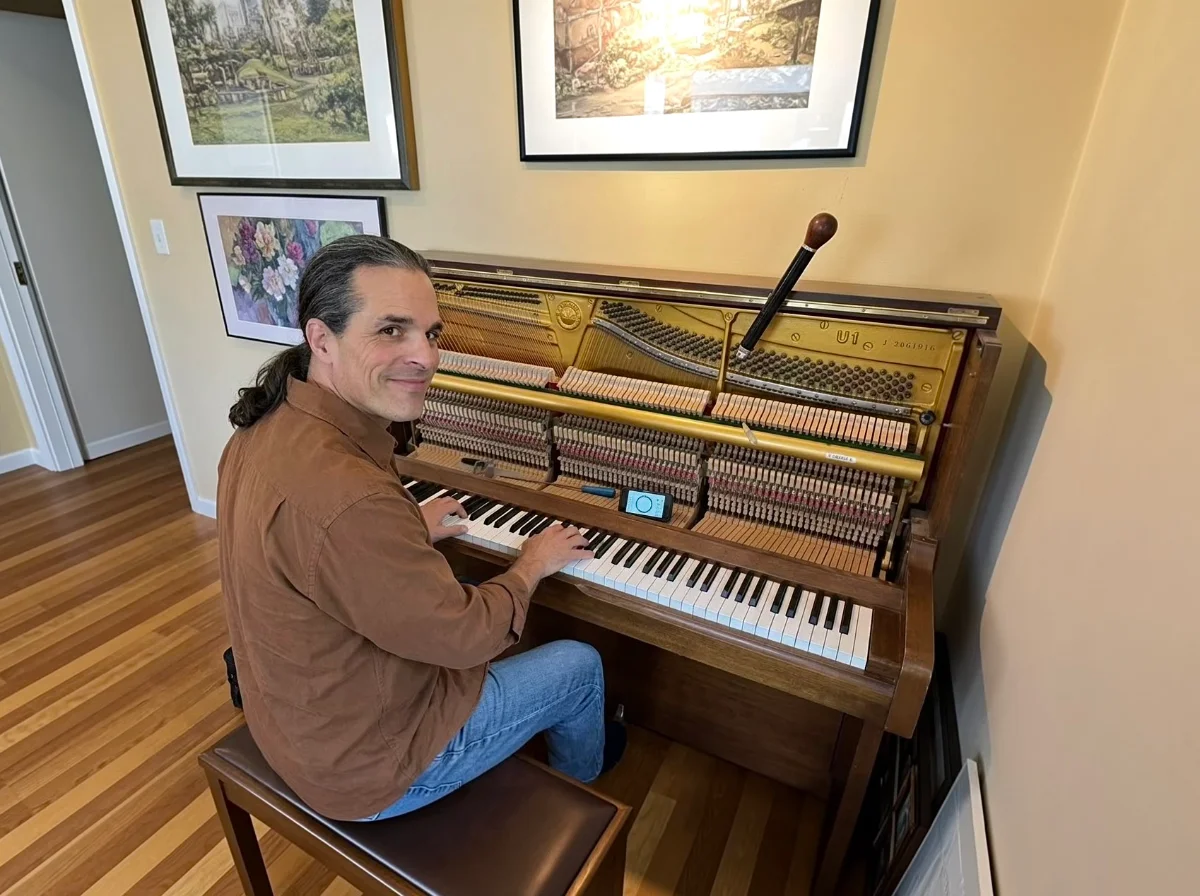
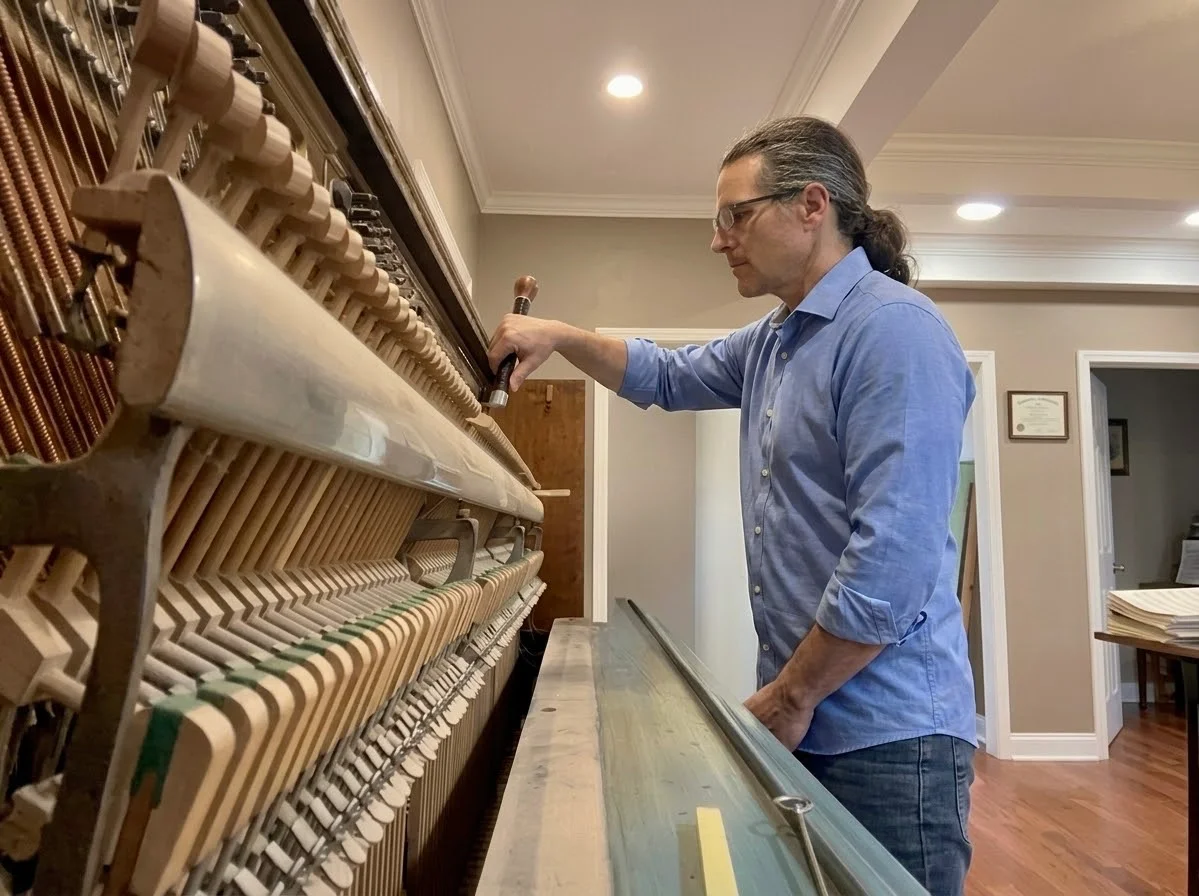
Pitch raises: Pianos that sit untuned often drop substantially in pitch and string tension. A rough tuning pass brings tension back up first so the fine tuning can settle and hold.
Condition & climate: Severe pitch drop, dry wood, or worn internal parts can limit stability. Our dry Albuquerque air and our seasonal humidity swings also shift wood and felt.
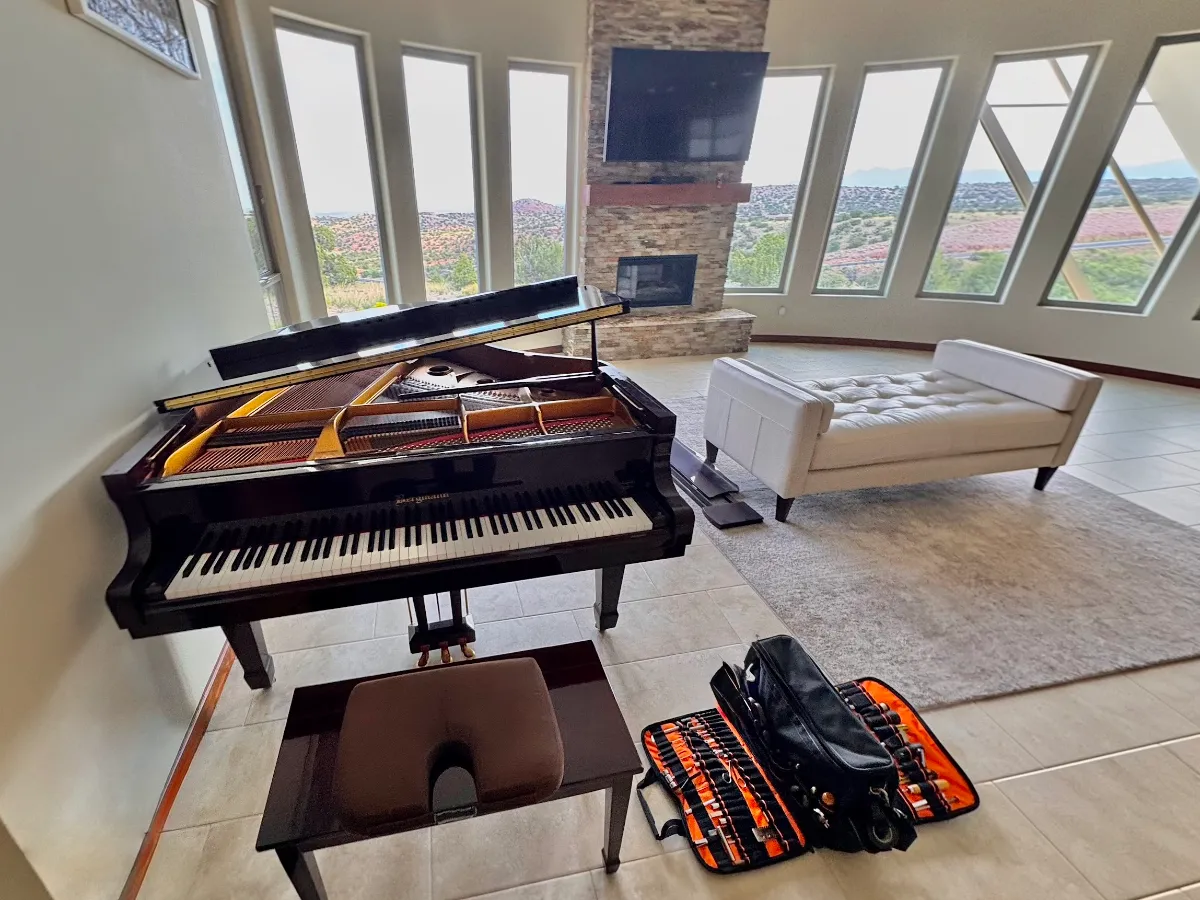
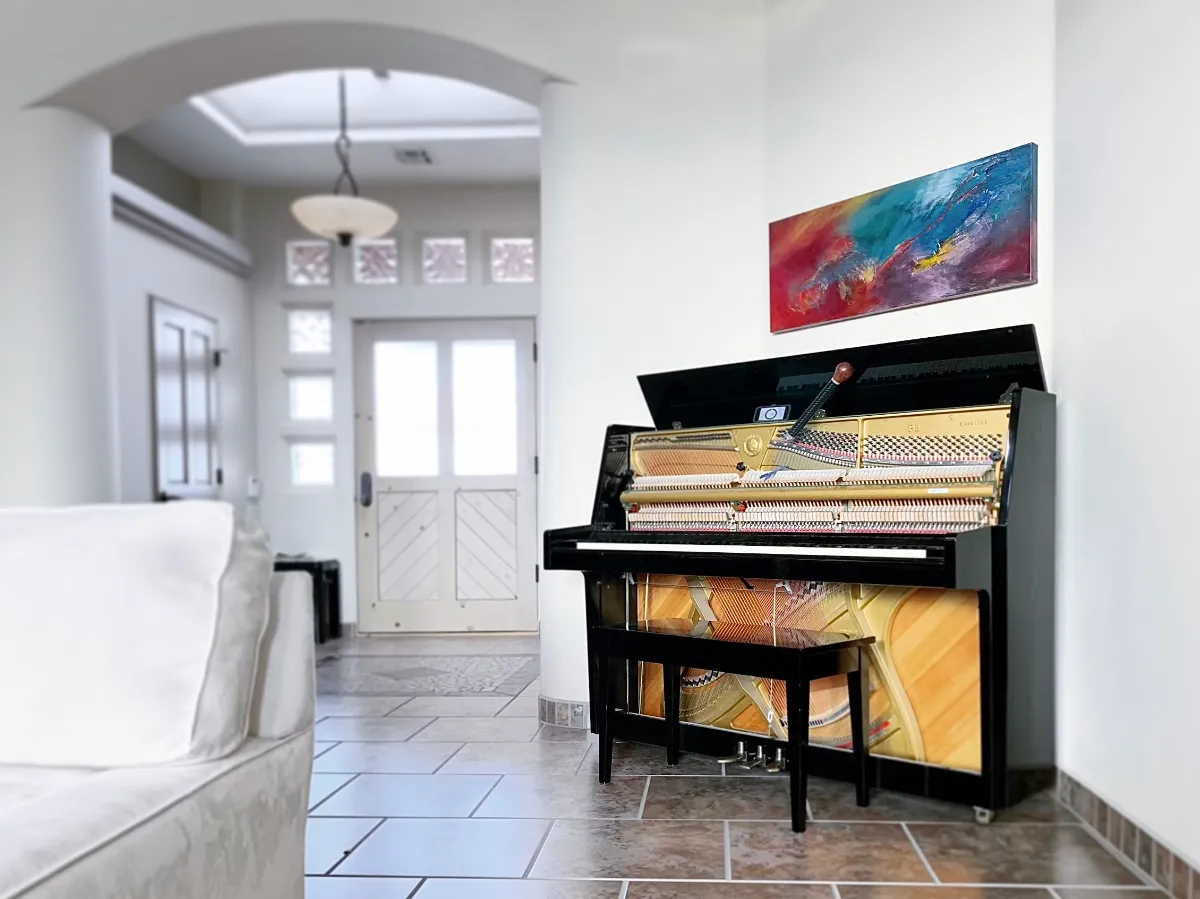
- Keep pianos away from heating/cooling vents, direct sun, fireplaces, and drafts
- Steady indoor humidity (~40–50%) or a humidity-control system can help stability
Common Piano Repairs
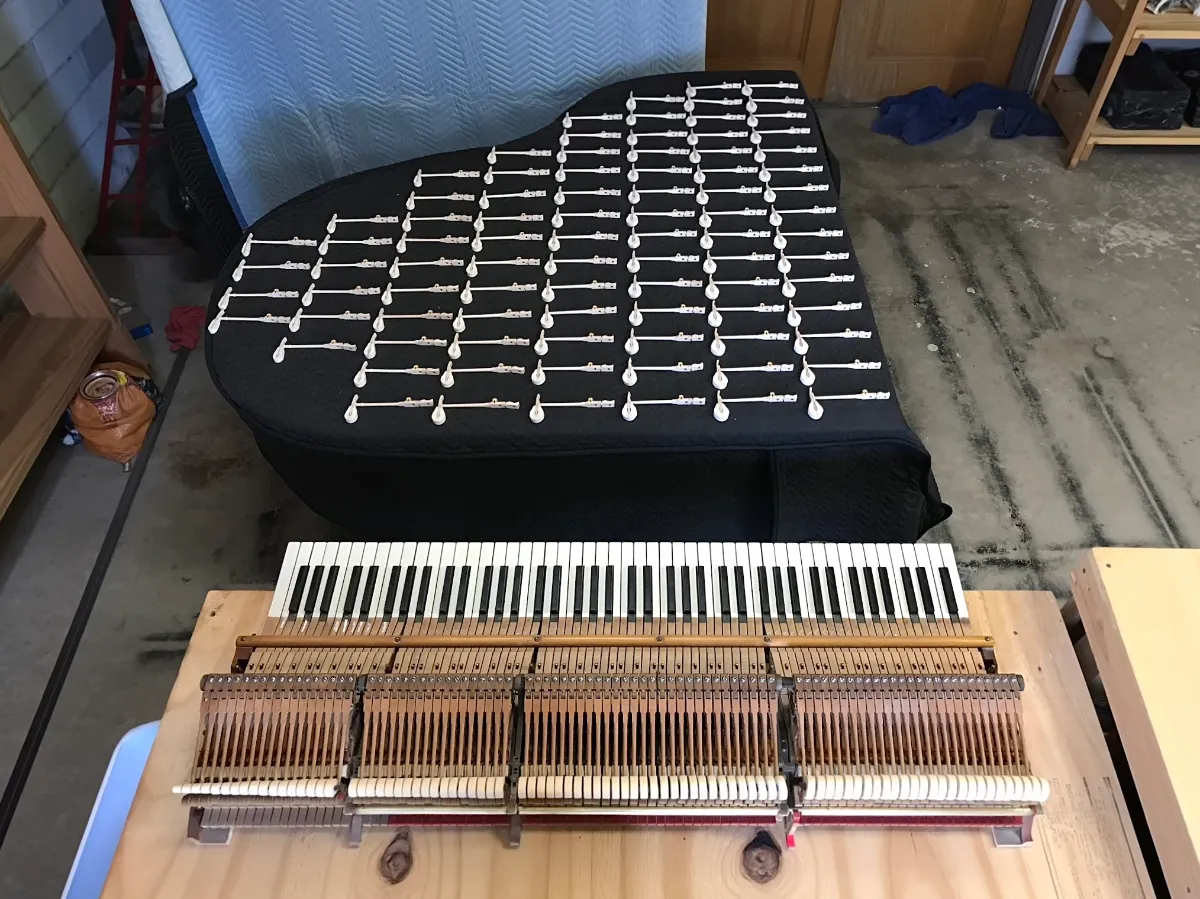
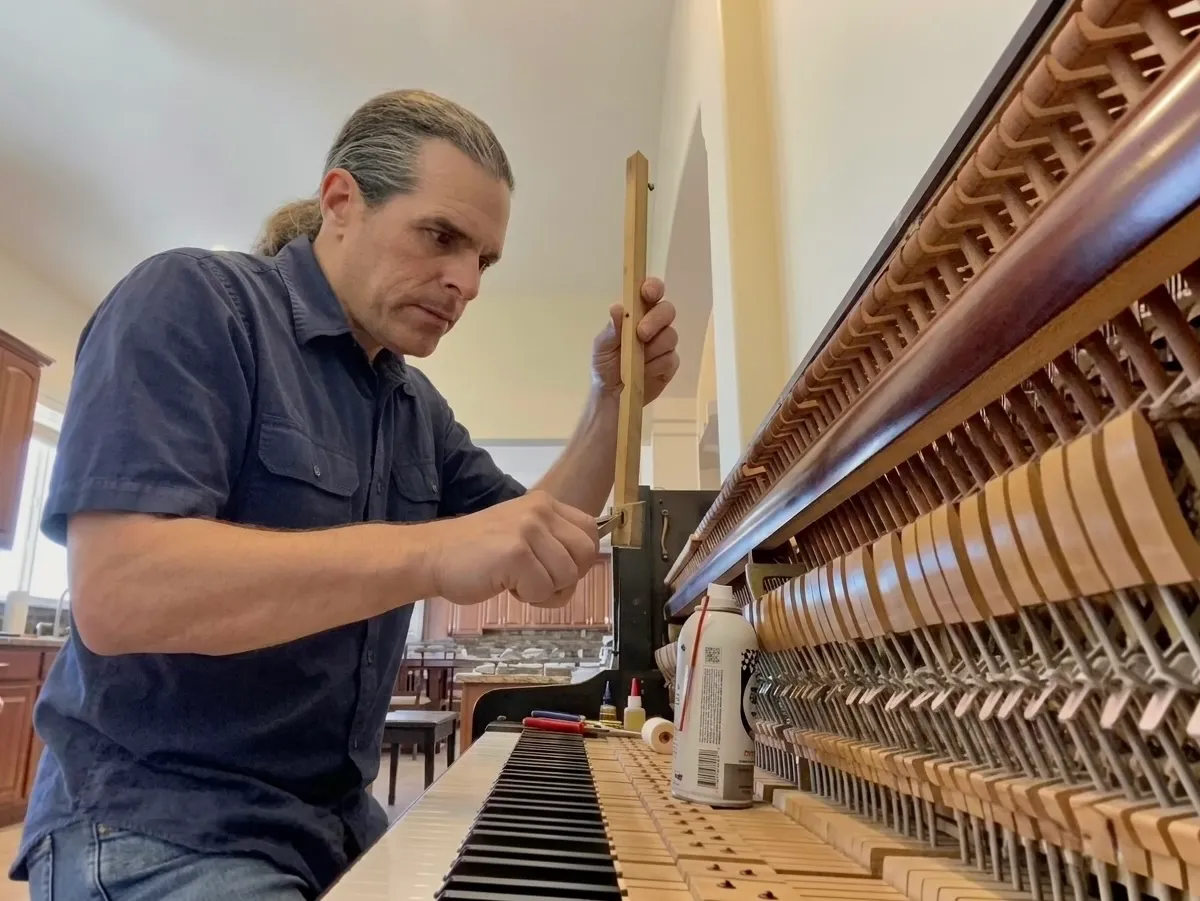
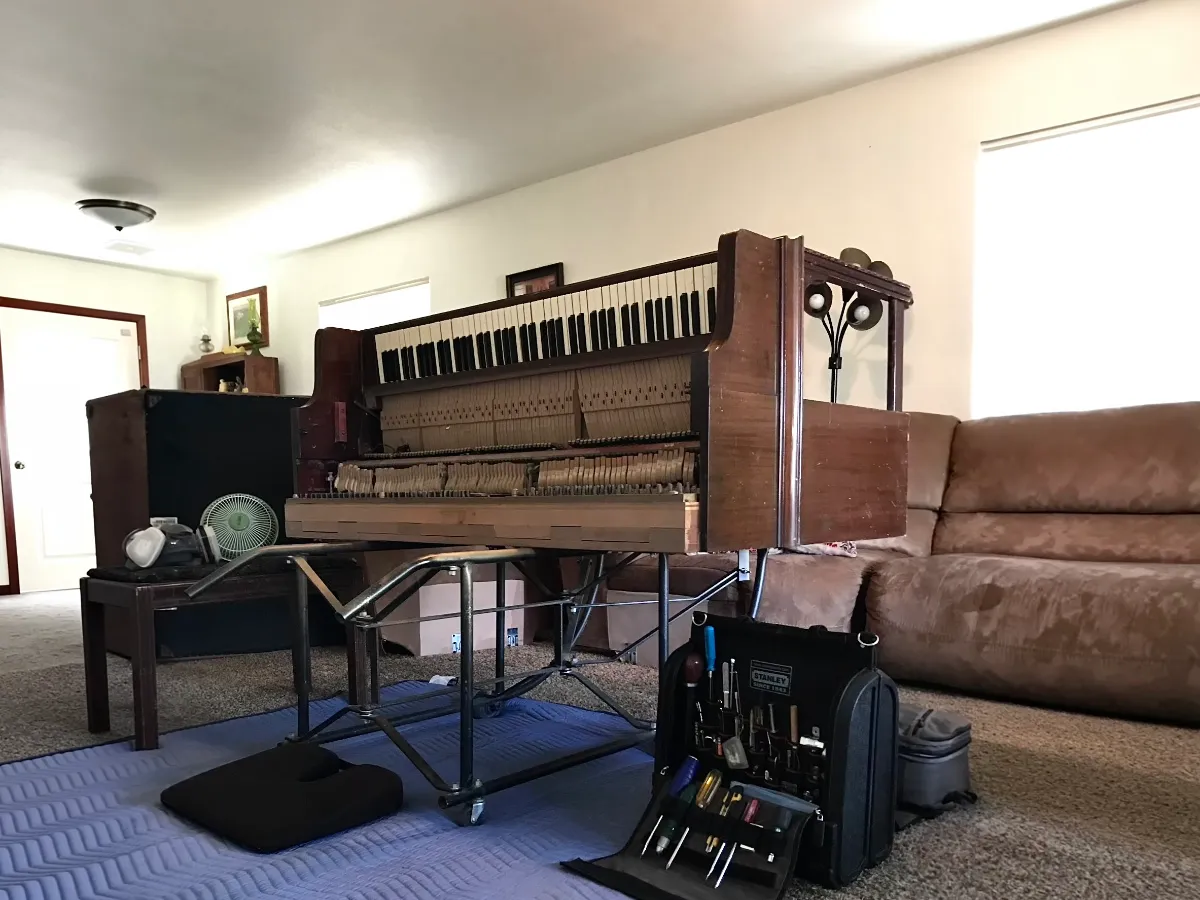
Keys & action noise: Sticking keys, sluggish repetition, or clicking & rattling parts often trace back to humidity shifts, friction, or simply loose or worn action components.
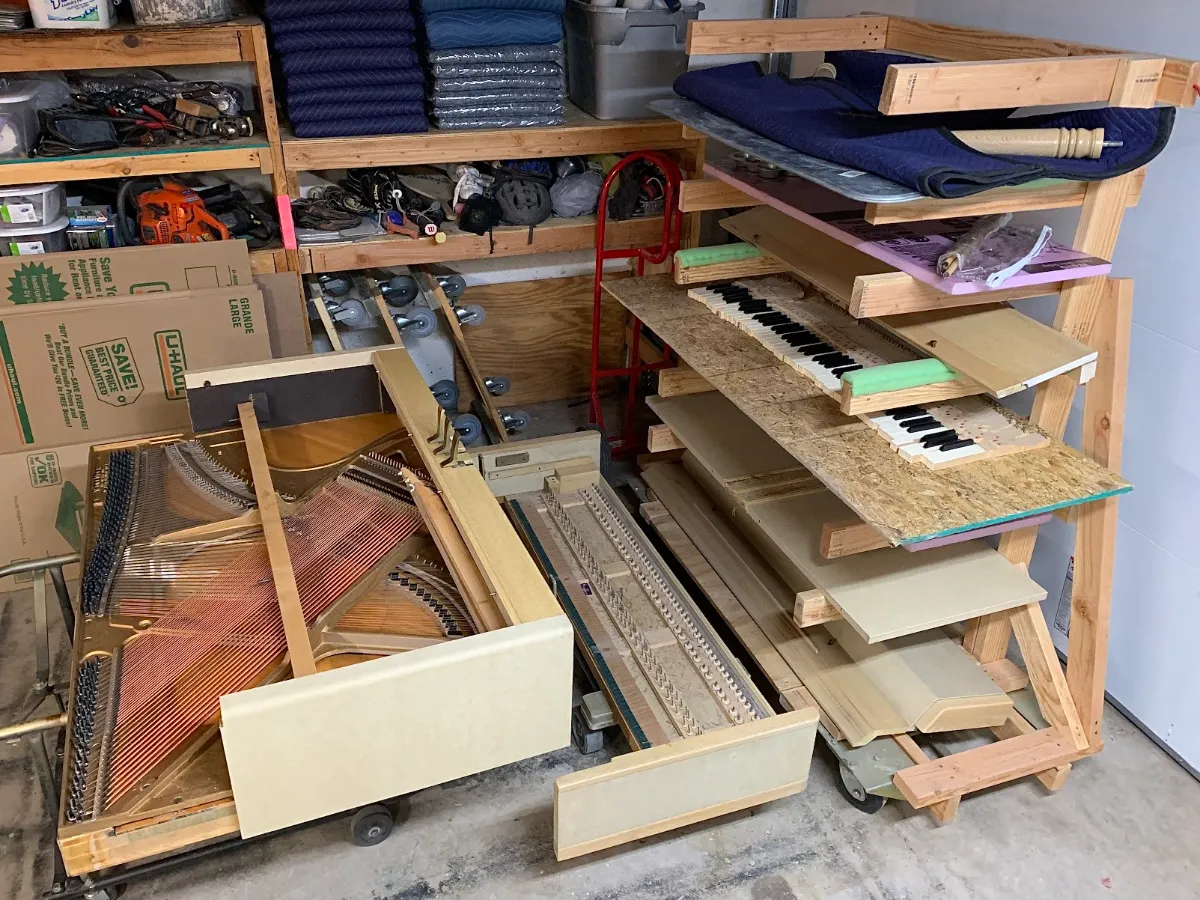
How repairs are handled: Straightforward adjustments are often folded into a tuning visit. Larger repairs or shop work are evaluated with an upfront quote first.
- Let me know about sticky notes, dead keys, or buzzes when you reach out
- Major structural or worn-part issues are evaluated before any extra work begins
Tuning Frequency & Care
Annual vs. twice-yearly: Once a year works for many home pianos. Twice a year helps pianos played daily, used for lessons, recently moved, or adjusting to seasonal swings.
Long-term care: Consistent tuning and steady room placement protect tone and touch over time, even more so in dry high-desert conditions such as Albuquerque.
- Try to avoid placing pianos near vents, direct sun, or drafty doors and windows
- Consistent care prevents small pitch drift and wear from becoming a bigger issue